
Custom Signature Scent or Library Scent? How to Choose, and How a Signature Scent Is Made
A custom signature scent is a fragrance developed for one brand. Unlike a scent chosen from a library, it's built around your identity, your spaces and your customers. Making one properly involves trained fragrance specialists, several rounds of feedback and testing in the real space. Scent workshops can be fun, but they aren't how a brand scent is made.
The stages
1. Define what the brand should feel like.
Start with words, not smells. Is the brand calm or energetic, warm or crisp, natural or urban? Who are your customers, and what should they feel when they arrive?
2. Map where the scent will be used.
A scent for a small boutique faces different conditions than one for a hotel lobby with HVAC scenting or a chain of clinics. Where it will be used affects how it should be built.
3. Write the brief.
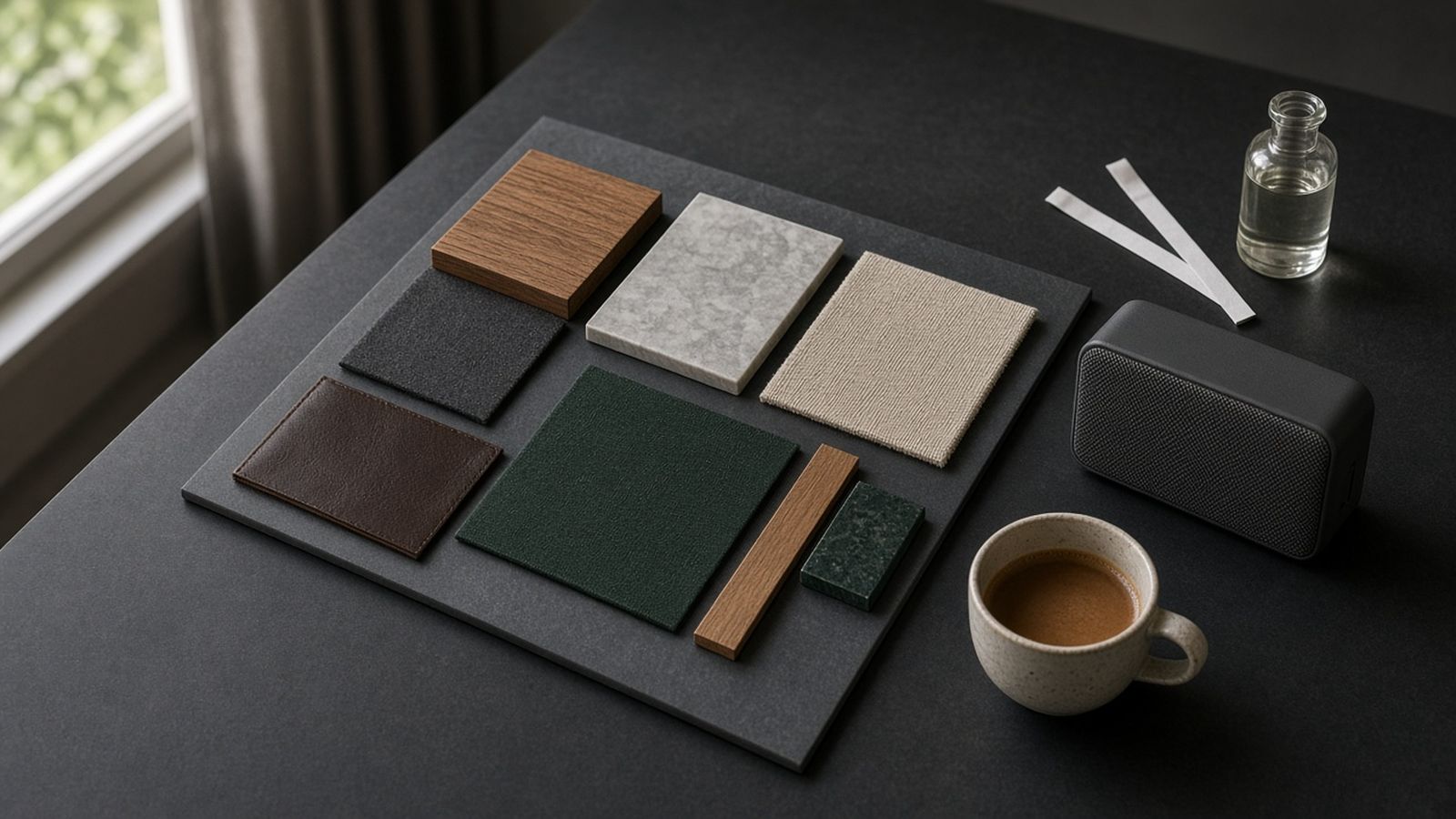
The brief brings it together: brand values, mood, colours and materials, scent directions you like and dislike, and the spaces it's for. Avoid asking for a copy of another brand's fragrance.
4. The fragrance house develops directions.
Specialists translate the brief into a few contrasting directions, so you can react to real options rather than descriptions.
5. Compare, choose and refine.
You pick a direction, and it's refined in further rounds: a little fresher, softer, less sweet. This is where patience pays off.
6. Trial it in your own space.
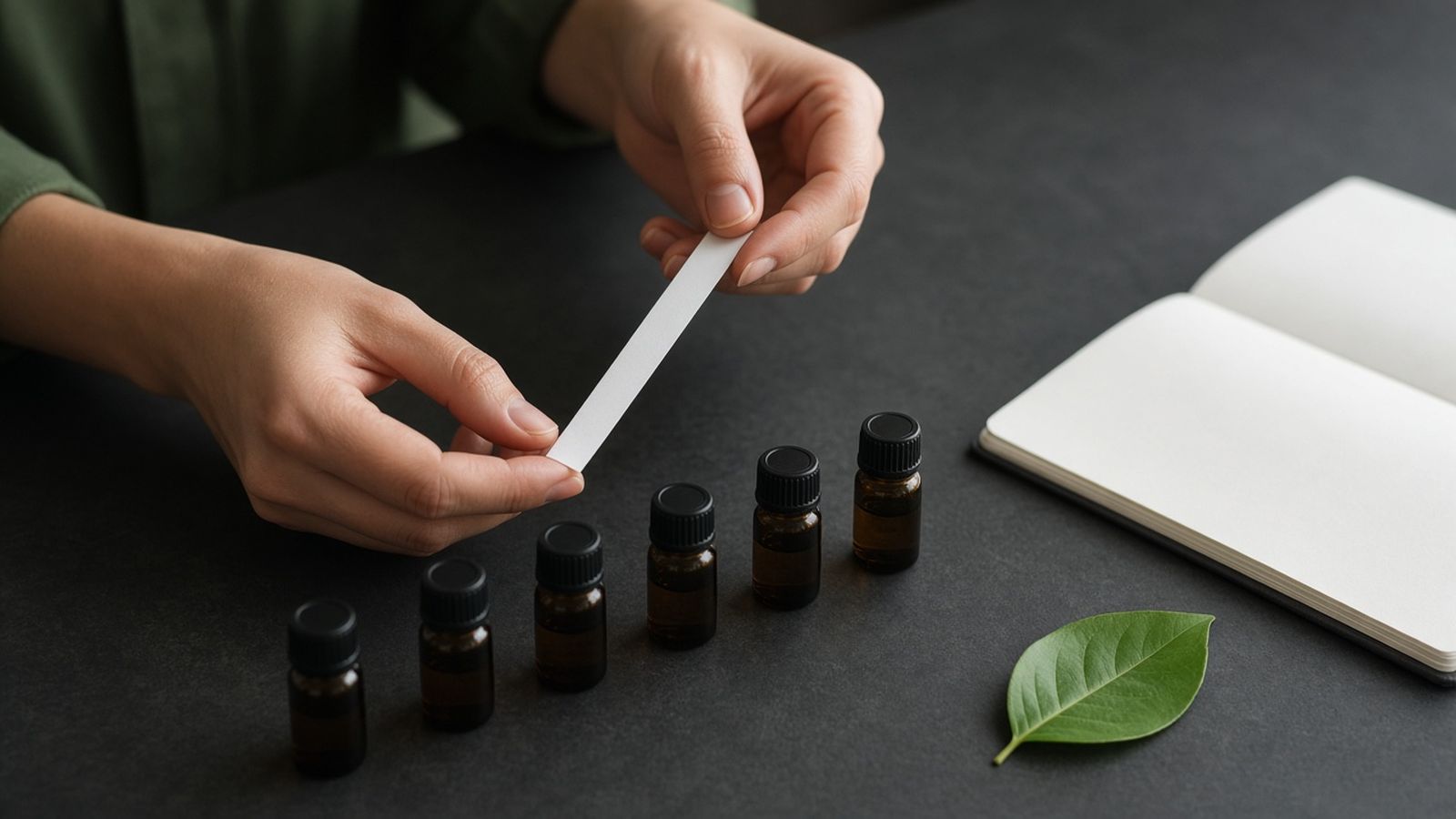
A scent on a paper strip behaves differently from one diffused in an air-conditioned room with open doors. Trialling in place shows how it really performs.
7. Final checks and preparation.
The final formula is prepared for cold-air diffusion and checked so that it smells the same from batch to batch.
8. Roll out and set up.
The scent is installed at each location with the right level for each zone, then kept consistent with routine refills and maintenance.
Why it shouldn't be rushed
Each round of feedback improves the result, and trials in the real space often reveal things a sample can't. A scent that's rushed may be changed again later, and changing your scent undermines the recognition you're trying to build. Research has found that pleasant ambient scent helped people remember brands[1], and that benefit depends on the scent staying the same.
Custom signature scent or library scent?
Whichever you choose, the scent reaches your space the same way: through the same machines, the same survey and the same monthly care. The difference is the fragrance itself.
When a custom signature scent makes sense.
Your brand identity is central to the experience, you want a scent no other business can use, you have a clear idea of the feeling the scent should express, or you want one recognisable scent across many locations. It takes more time and a larger investment than a library scent, and in return the scent is exclusively yours.
When a library scent makes sense.
You want to start quickly, you prefer a more economical choice without development work, you mainly want a pleasant, fitting atmosphere rather than a unique brand statement, or you're new to scenting and want to see how it works in your spaces first. A library scent isn't exclusive, but a well-chosen one still suits your brand and your space.
Should you start with a library scent?
Often, yes. A library scent can be running within days of the survey and trial, and it teaches you a lot about which scent families suit your spaces. Many businesses use that experience to write a better brief for their own scent later.
How DuraScent helps
We offer a Scent Library of 40+ fragrances from European fragrance houses. Signature Scent, a fragrance developed only for your brand, is a separate optional service. If you choose it, we'll explain the stages and timeline when we discuss your brief, then install the scent at your locations and look after it with a monthly Preventive Maintenance Visit.
Scent supports atmosphere and brand impressions. It isn't a guarantee of higher sales.
Sources
Citations are shown in their original English; DOI links open the publisher’s record in a new tab.
- Morrin, M., & Ratneshwar, S. (2003). Does it make sense to use scents to enhance brand memory? Journal of Marketing Research, 40(1), 10–25. https://doi.org/10.1509/jmkr.40.1.10.19128